 (833) 859-6126

Key Takeaways:
- Edible souvenirs are a growing travel retail category; shelf-stable regional foods travel easily and sell well.
- U.S. Customs requires travelers to declare all food; steer customers toward sealed, shelf-stable goods and away from fresh produce, meat and perishable dairy.
- Clear labeling with country of origin, ingredients and net weight builds shopper confidence and speeds customs clearance.
- Price across entry and premium tiers, bundle with recipe cards for gift-ready sets, and use QR codes to support post-purchase use.
Edible Souvenirs Are a Real Retail Opportunity
Travelers are choosing edible souvenirs over trinkets, and that shift is a clear opportunity for travel and gift shop retailers. Shoppers want flavors with a sense of place, ingredients they can use at home and stories they can share at the table. Retailers who win this category curate regionally rooted, travel-ready goods, help customers navigate customs rules and package every purchase with practical guidance for getting it home.
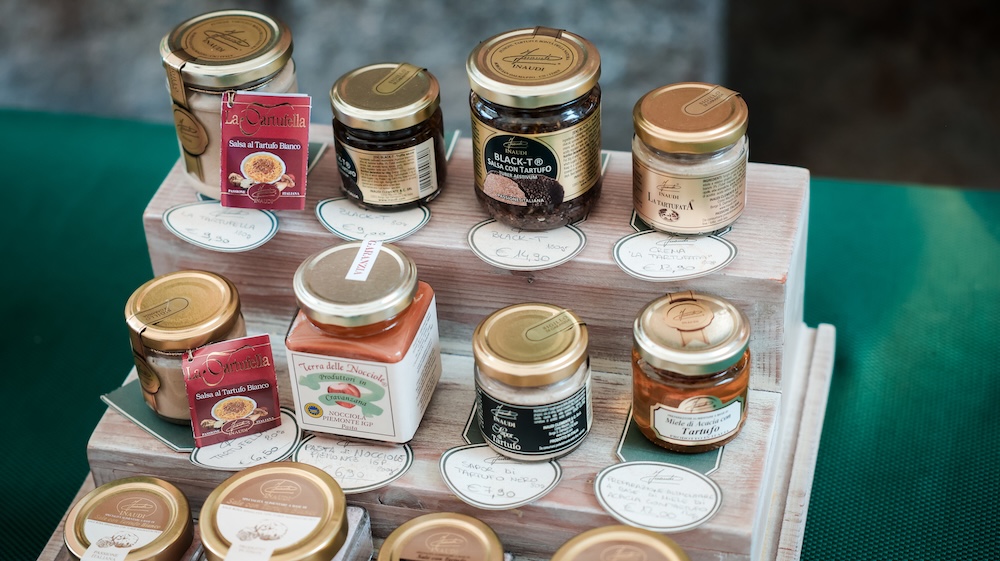
Start with staples that travel well. Whole and ground spices, dried chiles, teas, roasted coffee, packaged grains, milled flours, dried pulses and sealed condiments give customers an easy yes. These items hold up in transit, resist temperature swings, and arrive shelf-stable. Stock varieties that speak to your region, then label them clearly with ingredient lists, net weight, producer details and country of origin.
Anchor your assortment with local essentials a home cook will reach for often, then rotate in seasonal or micro-regional finds. Buy from farmers, co-ops and long-standing producers who can trace origin, harvest method and processing. Put that provenance on the label or a hangtag. Shoppers will pay for authenticity, and inspectors appreciate clear documentation when questions arise.

What Do Travelers Need to Know About Customs?
Many countries restrict fresh produce, seeds and live plants, and the United States sharply limits meat products and certain dairy. U.S. Customs and Border Protection requires travelers to declare all agricultural items. Declared goods that aren’t allowed are typically confiscated without penalty, while undeclared items can lead to fines and delayed itineraries.
Steer customers toward shelf-stable items and away from anything containing meat, raw eggs or perishable dairy. Advise them to declare food on arrival and check the USDA’s import requirements database before they fly. Simple signage at the point of sale removes friction: “Most countries allow sealed, shelf-stable foods. Always declare food at customs. Avoid fresh fruit, seeds and meat products.”
Train staff to guide, not gatekeep. A good script: “If you’re flying to the United States, these sealed spices and teas are typically allowed. Keep them in the original packaging and declare them when you arrive. If you’re unsure about a specific item, check your destination’s official guidance before you fly.” Confidence at checkout reduces abandonment and builds loyalty.
How Should Retailers Package and Price Edible Souvenirs?
Packaging is your frontline compliance tool. Choose rigid jars for oils and pickles, sturdy pouches with oxygen barriers for spices and teas, and double-seal inner bags inside gift boxes. Affix a country of origin statement and a plain-language ingredient list. The simpler the package is to read, the faster it clears inspection and the happier your customer will be when they unpack at home.
Merchandising drives confidence at the shelf. Create a small “travel-ready” zone with prepacked, sealed items in sizes under 16 ounces, tamper-evident lids and secondary protection like shrink bands or taped bags. Add short usage notes and storage tips on belly bands or shelf talkers. Where sampling is permitted, offer dry sniff jars for spices and teas instead of open food demos.
Price for the pantry, not the pedestal. Offer entry price points for spice tins and teas under $12, with premium options that justify a higher ticket through origin, harvest method or limited lots. Bundle a spice blend with a small recipe card and a wooden spoon for a ready-to-gift set. Support the first moment of use with QR codes that lead to two-minute recipes, storage tips and a short origin story. Customers will come back on their next trip for the refill.
(Note: AI assisted in summarizing the key points for this story.)