 (833) 859-6126

Key Takeaways:
- Gen Z travelers prefer sustainable, locally made souvenirs over mass-produced novelties, prioritizing authentic keepsakes with clear origin and material stories.
- Practical, compact items, such as artisan soaps, enamel pins, and regional food products, outperform generic keychains and magnets with younger shoppers.
- Digital keepsakes, including photo books, experience vouchers, and trip videos, are growing in popularity as clutter-free alternatives to physical souvenirs.
- Tourism retailers can capture Gen Z spend by stocking local maker goods, using storytelling signage, and building a good-better-best price ladder within sustainable product categories.
Gen Z Is Redefining the Souvenir
Gen Z travelers are moving past fridge magnets and novelty keychains in favor of meaningful, eco-friendly keepsakes that align with their values and fit in their carry-ons. Travel reporting and surveys suggest souvenir shopping can feel like an “ick” to younger travelers when items seem mass-produced, cheap or culturally off-key. For this group, a keepsake has to feel sustainable, authentic, and worth the space in a bag or on a shelf.
That shift demonstrates broader consumer research showing younger shoppers value experiences and purpose over accumulation. For souvenir, resort and tourism retailers, the message is clear: high-quality items with proof of origin and materials that correspond with shopper values matter more than generic novelty.
What Kinds of Souvenirs Do Young Travelers Actually Want?
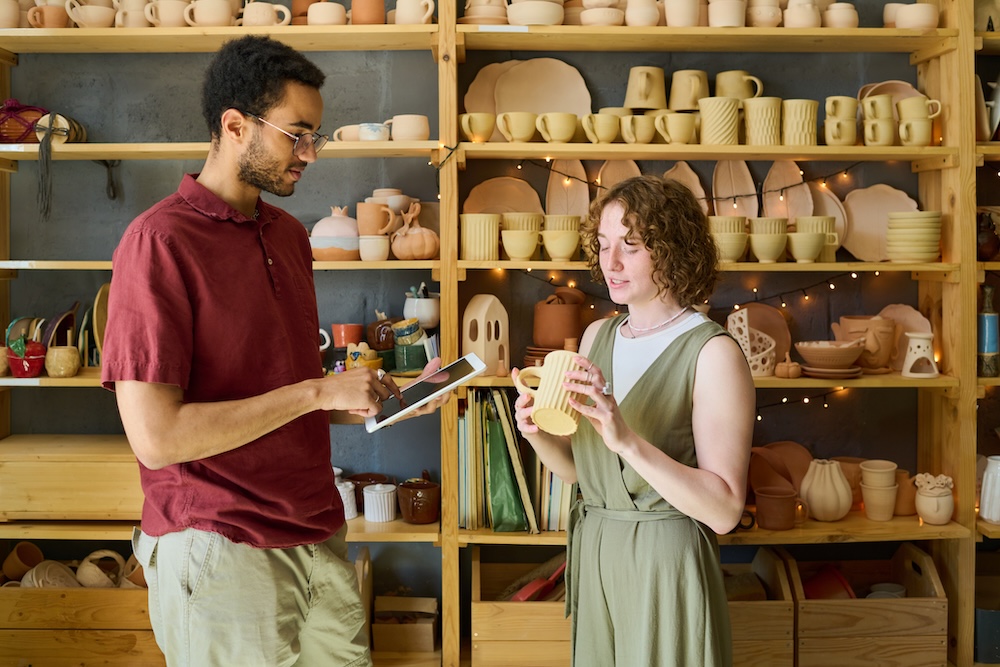
They want useful, story-driven items that feel local, well-made and easy to bring home. Handmade and local goods now set the standard, whether that’s a small ceramic bowl from a neighborhood studio, a handwoven bracelet from an artisan co-op or a packet of locally harvested spice. Travel reporting shows Millennials and Gen Z are more likely to spend on regionally specific, higher-quality goods that support local makers.

Practicality matters just as much as authenticity. A sturdy tea towel, a compact hand-stitched pouch, a recipe card paired with regional tea or a small print from an independent artist all offer lasting value without taking up much space. Slim leather bookmarks, enamel pins with a thoughtful regional motif, and soaps that capture a place through scent also perform well because they add sensory value without bulk.
Not every memento has to be physical. Digital keepsakes are becoming popular because they preserve memories without adding clutter. A curated photo album, a short trip video, a voucher for a cooking class taken on location, or a service that turns trip photos into a small, high-quality photo book can all extend the experience in ways that fit how young travelers already document and revisit trips.
How Should Retailers and Destinations Respond?
They should stock fewer mass-market novelties and more compact, practical goods from local makers with clear origin and material stories. Shelf talkers, maker cards and QR codes that link to a craftsperson’s profile can help convert a simple object into a more meaningful purchase. For namedrop and customizable items, the opportunity isn’t to abandon them, but to upgrade them, such as a regionally made leather key fob or a small-batch ceramic mug with a tasteful location mark.
Price architecture also matters. Stores can build a good, better, best ladder within sustainable, local and practical categories, such as a locally made soap at entry price, a hand-poured candle with regional botanicals at mid-tier, and a limited-run ceramic vessel at the top. Merchandising should reinforce the story by grouping products by maker or material, using clear copy about origin, and keeping packaging minimal.
Sourcing should support the strategy. Retailers can build relationships with nearby studios, co-ops and small-batch producers with reliable seasonal lead times, while imported lines should offer third-party certifications or supplier transparency that stands up to basic customer questions. Destination marketing organizations and attractions can go further by coordinating retail with the guest experience, such as stocking regional fiber goods after a historic mill visit or low-impact products near a national park, then adding touches like a postcard-print station or a digital class voucher bundled with a physical item. This isn’t a niche shift. It’s a values-based reset led by Gen Z, reinforced by Millennials and increasingly visible at checkout.
(Note: AI assisted in summarizing the key points for this story.)