 (833) 859-6126

Key Takeaways:
- Self-serve travel planning has raised shopper expectations: travelers arrive primed for quality, clear value and trusted local knowledge.
- In-store tourism retail wins when it curates by context, not category, matching products to the guest’s specific destination, season and travel style.
- Budget-conscious domestic travelers and “microcation” shoppers respond to tiered pricing, honest storytelling and flexible return policies, not discounts.
- The $1 trillion wellness tourism market is shifting merchandise demand toward functional, locally sourced and experience-driven products over generic souvenirs.
Travelers Buy Differently in the Self-Serve Era
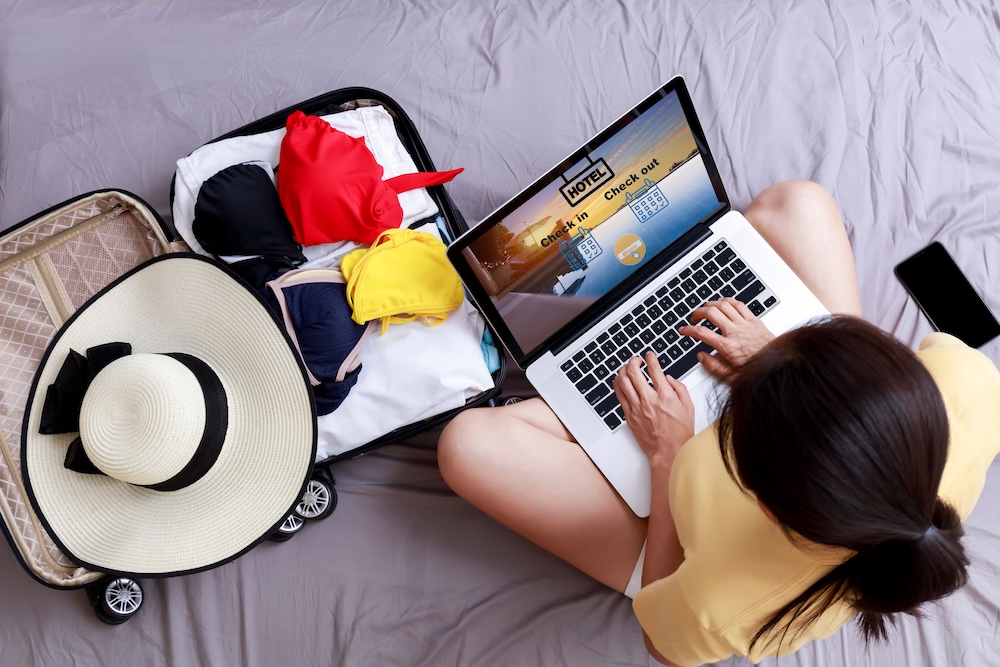
Travel planning has shifted from slow and advisory to fast and self-serve, and that shift has changed what travelers expect when they walk into your store. Booking a flight or hotel now takes minutes, but speed created a new kind of friction. Shoppers juggle hundreds of options, inconsistent fees and mixed reviews before they ever arrive at a destination.
Online sorting pushes the lowest fare to the top, even when it hides a longer route, a late-night arrival or luggage fees that erase the savings. Hotels look central until a cab ride proves otherwise. Consumer Reports has urged travelers to weigh rules, restrictions and support before booking. That scrutiny follows them into your store. They arrive primed to pay a small premium for convenience, quality and service they can count on.
Reviews help but need context. A recent, specific comment from a traveler with similar priorities beats a single glowing line. Shoppers now look for the same proof in retail. They want signs that confirm a product’s story, materials and maker. They compare prices on their phones. They want an experience they can trust, then a keepsake to make it home.

Digital tools still have gaps. Complex itineraries expose how fragmented booking can be across flights, hotels and policy rules. When final plans feel clumsy, travelers lean on in-person help. Your staff becomes the problem-solver who saves the day with local knowledge and the right item at the right moment.
What Does the Booking Boom Mean for In-Store Retail?
It means the store that clarifies value wins. If the journey started with noise, your shop should feel calm, clear and personal.
Start with the full journey, not just the shelf. Merchandise around moments that booking sites overlook and make value obvious. Post simple price cards that show what makes a product worth it. Call out materials, maker location and care instructions. Clear value beats a coupon that feels like a gimmick.
Curate for context. A traveler who stayed in a treehouse or a historic inn is usually not buying a generic souvenir. Stock keepsakes tied to the setting and season. If guests come for fall colors, lead with art prints in the local palette, small-batch spice blends and candles that match the trail. Road-trip traffic favors compact, packable goods. Curation tells a story that a search feed cannot.
Build trust for the budget-conscious without going cheap. Many households are choosing shorter, closer trips and spreading spend across more weekends. Meet them with tiered options that keep quality consistent.
Design for flexibility. Booking rules are stricter, so shoppers pay more attention to return and exchange policies. Offer sensible windows and simple steps. If you ship, post delivery lead times by region and a last-ship date for holidays. Reduce uncertainty, and you reduce hesitation.
How Do You Turn These Trends Into Long-Term Revenue?
You do it by making your store the knowledgeable guide that online channels cannot replicate. Experiences outlast itineraries, and shoppers remember how a place felt.
Lean into products that get used, not shelved. The wellness tourism market crossed $1 trillion globally, and travelers are spending more on rest, recovery and meaningful experiences. Stocking products that reflect those values puts you ahead.
Strengthen your digital presence for answer engines. Voice and quick-answer searches favor clean facts. Put your hours, address, parking details and peak times on your site and profiles. Add a one-sentence description that includes your destination, category and notable product types. Post direct answers to questions you hear every day. Clear answers help the maps that steer people to your door.
Watch what is influencing merchandise mix over the next few seasons. Longer stays in secondary destinations, road-trip growth, wellness add-ons and overtourism pressure on hotspots all push travelers toward smaller towns, parks and cultural venues. That shift favors locally sourced goods, sustainable packaging, compact formats and products with maker stories that feel findable only here.
Planning and booking will keep getting faster. That does not mean travelers want the cheapest thing in your store. It means they want the right thing at a fair price, with a story and a smooth handoff. Help visitors make sense of the noise, and they will reward you with trust, word of mouth and repeat visits the next time they roll into town.
(Note: AI assisted in summarizing the key points for this story.)