 (833) 859-6126

Key Takeaways:
- The NIQ and AHLA Hotel Beverage Study reveals strong on-property purchase intent among U.S. hotel guests, with soft drinks (47%), hot coffee (40%) and bottled water (31%) leading expected hotel beverage purchases across more than 50 hotel brands.
- Domestic travel growth, the rise of “bleisure” trips and hotel loyalty program engagement are creating measurable hotel buyer opportunities for beverage suppliers and resort retailers to align assortments with real guest behavior.
- Convenience, visible pricing and daypart placement are the primary drivers of on-property beverage sales, making format, packaging and placement strategy critical for tourism retail and hotel operator success.
- Resort and souvenir retailers can convert hotel beverage demand into buyer-season wins by presenting SKUs mapped to trip missions, proposing fast pilot programs and tying beverage purchases to hotel loyalty program rewards for repeat spend.
Hotel Beverage Demand Is Growing—Here’s What the Data Shows
U.S. hotels are becoming a strong growth channel for beverage suppliers as domestic travel rises. The latest Hotel Beverage Study from NIQ and the American Hotel & Lodging Association (AHLA), based on a survey of 5,000 hotel visitors across more than 50 brands, confirms high purchase intent on property and identifies the moments guests are most likely to try something new.
Soft drinks lead expected hotel purchases at 47%, followed by hot coffee at 40% and bottled water at 31%. Among alcoholic options, beer leads at 32%, wine at 29% and cocktails at 27%. Nearly three-quarters of travelers plan hotel stays for vacations in the next 12 months, and seven in 10 business travelers now add leisure time to work trips. That shift, combined with a revived focus on value, creates a clear runway for suppliers that tailor formats, pricing and placement to how guests actually move through a property.
Four in five visitors say complimentary enhancements like breakfast or bottled water shape satisfaction. Three in five guests belong to a hotel loyalty program, 17% would consider joining and 12% have lapsed—meaning beverage tie-ins can convert interest into signups and repeat spend when they match real behavior.

How Should Suppliers and Operators Act on This Data?
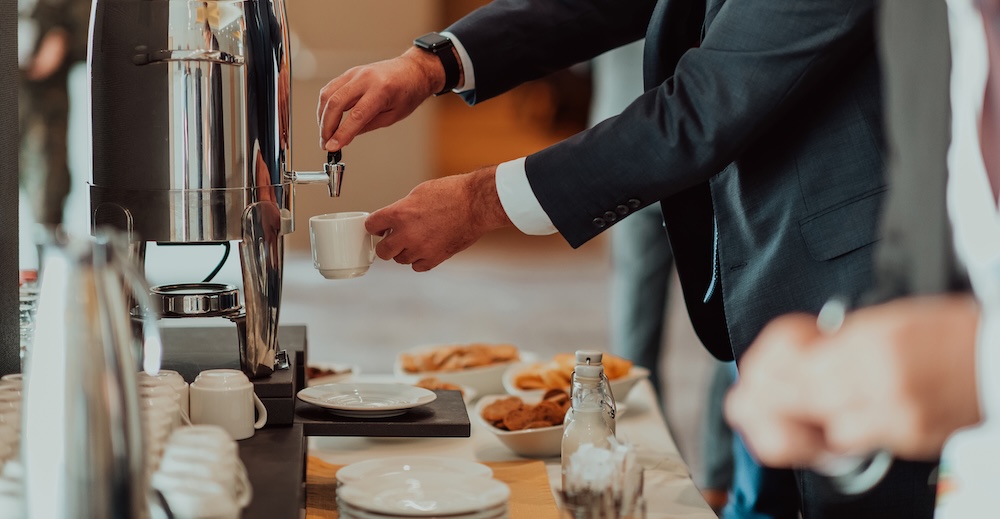
The playbook starts with routines and visibility. Put hot coffee and bottled water where mornings begin; keep single-serve options near the front desk for late arrivals; and merchandise sessionable beer, RTD cocktails, and no-alcohol options poolside and in grab-and-go coolers. A cold can with clear pricing at check-in, elevator banks or lobby seating can easily outperform a buried minibar SKU.
Pricing and packaging deserve fresh attention. Set a good-better-best ladder for minibar assortments, include water in resort or destination fees, and run time-bound bar offers that pair small plates with beer or wine at a transparent price. The goal is to remove friction, not margin. Suppliers can support this with pre-curated daypart kits—morning coffee pods with bottled water, or evening RTD cocktail trios sized for two.
Loyalty tie-ins work best when they’re simple and immediate. Offer points for in-hotel beverage purchases captured by room charge, member-only upgrades on premium coffee or cocktails, or family-friendly multi-pack water discounts for pool days. Most travelers make on-property decisions in minutes, so keep rewards fast and obvious.
What Do These Findings Mean for Tourism and Resort Retailers?
For resort and tourism retailers, these findings translate directly into hotel buyer opportunities that are ready to act on now. Soft drink suppliers should lead with single-serve, resealable formats and clear case-pack economics. Bring cooler footprints and signage that demonstrate lobby or marketplace placement—operators want proof of fit and service speed.
Coffee brands should highlight solutions that handle both lobby breakfast volume and in-room convenience, with sustainability claims and cost per serving front and center. Bottled water suppliers should present tiered options: inclusive bundles at the base level and a premium trade-up for suites or events. Beer, wine and RTD cocktail brands should arrive with portable formats, ABV ranges and compliance details ready for multi-state hotel groups.
Propose pilot programs with two to three SKUs in one or two high-traffic zones, with a simple measurement plan tracking sell-through, room-charge attachment rate and repeat purchase over four to eight weeks. Offer co-op marketing that trades deep discounts for placement guarantees, digital menu features or loyalty add-ons. Map your SKUs to trip missions—cold brew and juice for mornings, soft drinks midday, beer and RTDs from late afternoon through evening—and make pricing visible from six feet away so guests can decide on the move.
The throughline in the NIQ and AHLA findings is clear: demand inside hotels is strong, value cues drive satisfaction and guests reward convenience that fits their trip purpose. For resort and souvenir retailers, that means walking into buying season with assortments built for hotel missions, activation plans ready to test fast and data points hotel teams can take straight to property.
(Note: AI assisted in summarizing the key points for this story.)