 (833) 859-6126

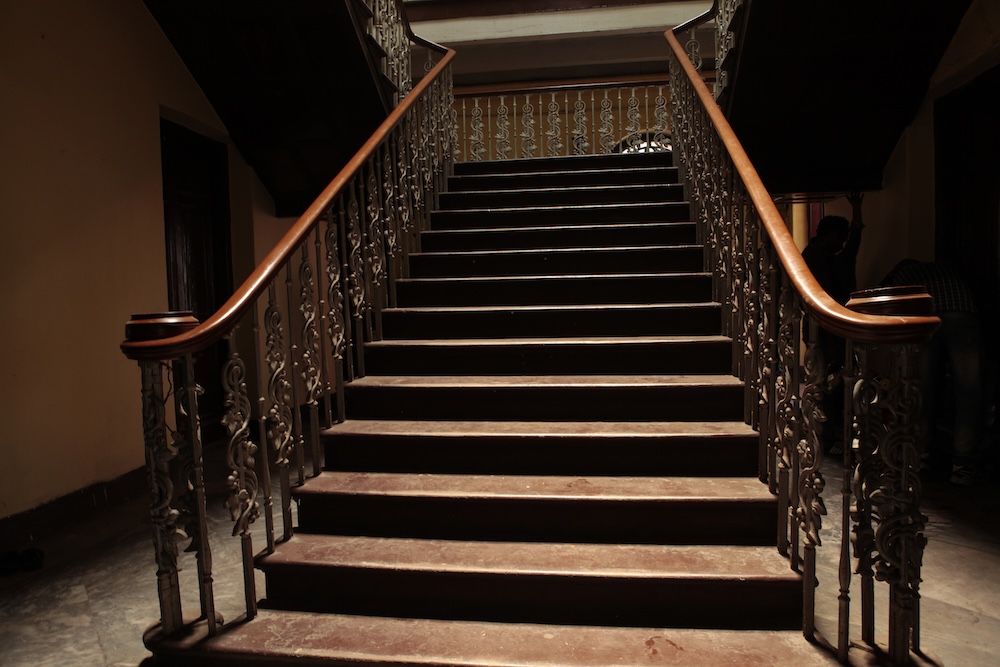
Key Takeaways:
- Haunted tourism such as ghost tours, haunted hotels and dark heritage sites drive measurable local economic impact through extended stays, night-time retail spend and seasonal programming.
- Retailers grow revenue by stocking locally grounded merchandise: historic site maps, ghost walk candles and limited-run collectibles, paired with QR codes linking to verified oral histories.
- Responsible haunted tourism requires ethical storytelling, historian collaboration and transparent sourcing — which drives stronger reviews, search visibility and repeat visits.
- Haunted landmarks create durable retail and hospitality revenue well beyond Halloween.
Haunted Tourism Is Driving Real Local Spend
Ghost tours, haunted hotels and eerie folklore have moved from niche curiosity to a measurable economic driver. Destinations that treat their spooky stories as heritage rather than gimmick are seeing more visitors, longer stays and stronger local spend. Night tours extend visiting hours, which lifts dinner checks, bar tabs and hotel nights. Seasonal programming stretches past summer into fall, and repeat visitors return for annual events.
The economic case runs deeper than ticket sales. Salem, Massachusetts, and New Orleans show what year-round and monthlong programming can do: foot traffic spikes, media coverage follows and Main Street businesses benefit. The jobs story is real, too. A town that embraces its spooky side creates paid work for guides, historians, costumers and festival producers. Restored mansions, battlefields and historic hotels become better storytelling backdrops, which draws more guests and funds ongoing upkeep.
What Do Retailers Need to Do to Capture This Demand?
Retailers can convert haunted curiosity into dependable revenue by grounding their product mix in local, verified history. Start with limited-run enamel pins of documented sites, map-based posters, tea towels that outline a ghost walk route, responsibly sourced candles named for neighborhood legends and journals stamped with coordinates of historic buildings. Pair items with QR codes linking to vetted oral histories. Offer family-friendly bundles for daytime customers and small-batch collectibles for night tour guests.

Partnerships extend your reach further. Work with tour operators on ticket-plus-merch bundles. Collaborate with hotels on in-room mini guides that point guests to your evening hours and verified sites. Cross-promote with local museums on preservation-themed collections, with a portion of proceeds directed toward maintenance or interpretation. Train staff to answer the questions visitors search most, such as “best ghost tours near me” or “haunted hotels,” and mirror those phrases on shelf talkers and product pages to improve local search visibility.
Pricing and timing also matter. Use timed entries to distribute foot traffic across weekdays, not just weekends. Price for value when you add storyteller-led walks, special access or bundled keepsakes. Halloween is a catalyst but a predictable year-round event calendar locks in cash flow across seasons.
How Do You Keep Haunted Tourism Responsible and Durable?
Responsible framing protects communities and keeps demand sustainable over the long term. Be transparent about what is documented history versus legend. Center the people who lived through history. Avoid staging that trivializes trauma and label replica items clearly. Work with historians, tribal representatives and descendant communities to fact-check copy on packaging and displays. That care shows up in reviews, which feed search visibility and repeat visits.
Safety and stewardship are non-negotiable. Inspect buildings before adding night access, manage capacity and set clear visitor guidelines for fragile sites. Cap tour groups at 12 to 20 people so guides can control pace and protect artifacts. Post guidance for night walks, like sturdy shoes and flashlights, and steer visitors away from unsafe structures.
Track outcomes to sharpen your offer over time. Look for longer dwell times after adding night events, higher average order value from bundles, QR-linked story conversions, weekday sales growth from a staggered event calendar and repeat visits across seasons. The destinations that do this well, including the Stanley Hotel, Eastern State Penitentiary and the Winchester Mystery House, sustain steady interest through careful storytelling, guided history and strong retail ecosystems. Layering verified regional lore into shoulder-season events can keep travelers longer, which is good news for every register.
(Note: AI assisted in summarizing the key points for this story.)