 (833) 859-6126

Key Takeaways:
- Novelty souvenirs like theme park popcorn buckets, wand boxes and weapon-shaped toys commonly trigger TSA screening; stock collapsible, clear-packaged or ship-ready alternatives to reduce friction.
- Brief, consistent associate scripts and printed receipt reminders help flying customers navigate airport security with fewer delays.
- Promoting ship-from-store as a default convenience protects sell-through on high-risk souvenir items and builds a competitive advantage for travel retailers.
- Auditing products for packability, battery type, packaging transparency and silhouette risk before they hit the floor reduces returns and builds repeat business from air travelers.
Novelty Souvenirs and Airport Security: What Retailers Need to Know
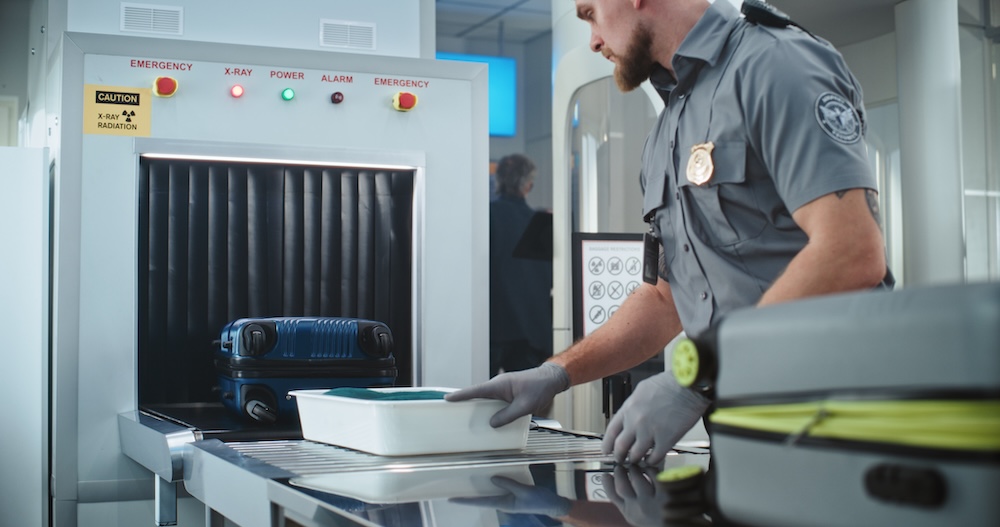
Novelty souvenir sales are strong, but some popular designs create problems at airport security. Theme parks are a common culprit. Popcorn buckets with bulky shapes, wand boxes with electronics and character props that resemble explosives regularly trigger X-ray pulls and manual checks. Retailers who think ahead can turn that pain point into a service advantage.
Start with product selection. Favor popcorn buckets that collapse, separate, or pack flat, and tag them with shelf talkers like “Collapsible” or “Packable” so shoppers know their options. For wands, stock compact boxes with molded trays that keep circuitry visible on a scanner. For any item that reads as a weapon or explosive in silhouette, set expectations at the shelf and consider presenting them as ship-home collectibles by default.
Packaging choices matter too. Use clear or clamshell windows for electronics so X-ray profiles look straightforward. Add simple labels: “Contains batteries, remove for air travel” or “Electronics inside, safe souvenir.” Tuck a small travel card in the box with three steps: remove or secure batteries, place the item near the top of the bag and keep the receipt visible.

How Should Retailers Guide Customers at the Point of Sale?
Brief, consistent guidance at checkout is the most effective way to reduce TSA friction for your customers. Train associates with one-sentence scripts tied to each risk category. For popcorn buckets: “If you’re flying, checked luggage or shipping is the easiest option.” For wands: “Remove batteries and keep the box near the top of your carry-on.” For weapon-shaped toys: “These can draw extra screening. Shipping avoids the hassle.”
Print those reminders on the receipt near the item line so travelers can show agents what the object is without unpacking everything. Offer a brief “Travel Tip” prompt during late afternoon and evening shifts, when guests are often shopping before an early departure. Position shipping supplies near exits and hotel shuttle stops. Offer free fragile wrapping for items going into checked luggage and mention it at the counter in under five seconds.
Build an airport-ready checklist into your buying process. Before a product goes on the floor, confirm size and packability, battery type, packaging transparency, label copy and ship-from-store materials. Capture those details in your POS system with attributes like “Collapsible,” “Contains electronics” and “Ship recommended” so you can print targeted notes on receipts and pull reports on what needs more prominent signage.
How Can Shipping Become a Competitive Advantage?
Promoting shipping as a default convenience, not a last resort, protects both the guest experience and your sell-through on high-risk items. Set up a clear ship-from-store workflow with transparent pricing, simple packaging at the counter and a tracking QR code on the receipt. Post a small sign at high-risk displays: “Fly later, ship today.” For items that consistently draw screening, bundle a flat ship-it rate with the purchase to make the decision easy before the customer leaves the counter.
Work with vendors to make both selling and shipping smoother. Ask for slimmer wand trays, removable wand components, clear window packaging and flat-pack bucket options. Request vendor-supplied travel inserts and compliant battery covers. For any item with a weapon or explosive silhouette, ask that box art include a note: “Toy replica, nonfunctional prop, contains no explosive materials,” along with an exterior barcode that links to the product page for quick agent verification.
Track results so you can keep improving. Monitor daily ship-from-store volume, sales lift on airport-friendly items after adding signage, and how consistently staff delivers the travel script. Ask one question at checkout for flying customers and use that data to adjust displays and reorder smarter heading into peak seasons. Retailers who build these habits earn stronger reviews, fewer returns and repeat business from travelers who remember a hassle-free experience.
(Note: AI assisted in summarizing the key points for this story.)