 (833) 859-6126


Key Takeaways:
- FTC Made in USA rules require “all or virtually all” domestic content and processing; foreign content beyond negligible levels makes an unqualified claim deceptive.
- Country of origin labeling is legally required for most textiles and apparel; labels must match hangtags, shelf tags, and online listings.
- Heritage branding and founding dates don’t establish where a product was made; verify origin item by item using the sewn-in label.
- Qualified claims like “Made in USA of imported components” are acceptable when accurate; implied U.S. origin through flags or imagery carries the same FTC compliance risk as an explicit claim.
If you sell travel merchandise or souvenir apparel, understanding FTC Made in USA rules, country of origin labeling and heritage branding claims is key for protecting your store from deceptive advertising risk. Here’s what you need to know.
Do textile products need a country of origin label?
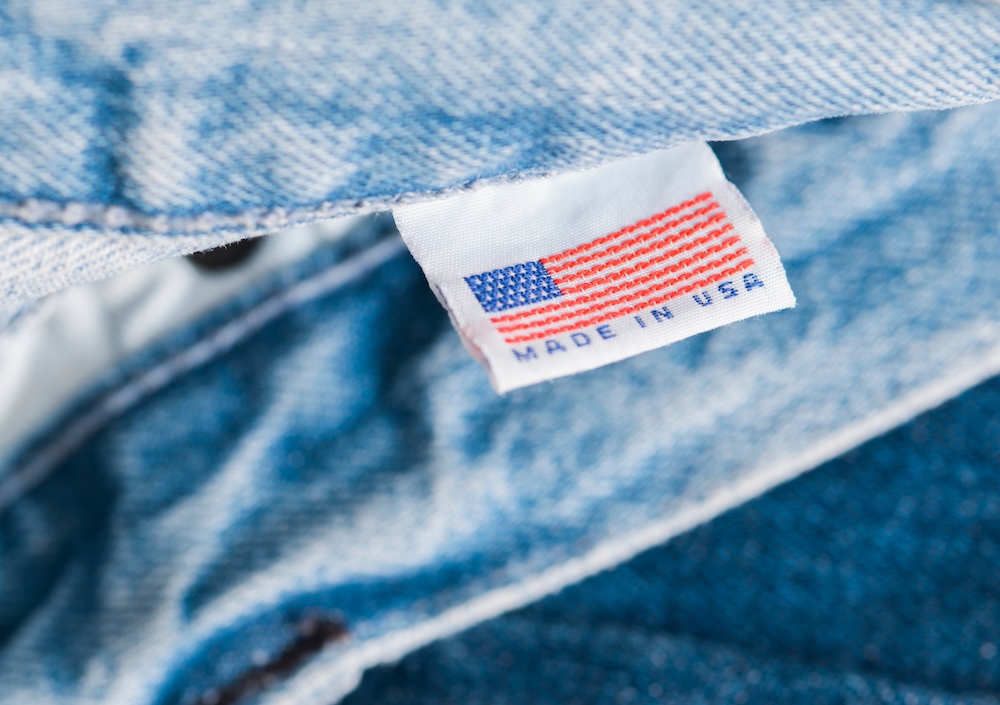
Yes. Most covered textile and wool products must disclose country of origin under FTC rules. For clothing with a neck, that disclosure must appear on the front of a label attached inside the center of the neck. All other covered textile products require a conspicuous, readily accessible origin label. For products subject to these rules, this is a legal requirement, not an optional branding choice.
What does an unqualified Made in USA claim mean?

It means the bar is high. Final assembly or processing must occur in the United States, all significant processing must happen here, and all or virtually all components must be made and sourced domestically. If foreign content is more than negligible, an unqualified claim is likely deceptive under FTC standards.
When is a qualified claim appropriate?
A qualified statement, such as “Made in USA of imported components,” is acceptable if it’s accurate and not misleading. The claim must be clear about what was done in the U.S. and what wasn’t.
Can branding imply U.S. origin without using the words?
Yes. The FTC says U.S. origin can be implied by the overall net impression of marketing, including flags, maps, factory imagery or other U.S.-focused cues. A founding date, a factory photo, or a city-based brand story doesn’t establish where a specific product was made. Treat brand heritage as context, not proof.
How should you verify origin before stocking, tagging or advertising apparel?
Start with the sewn-in label on each garment. For e-commerce, textile rules require origin to appear in mail-order and online advertising, so your product page must match the label. If a brand’s broader storytelling suggests U.S. manufacturing but the item listing says “Imported,” follow the item-specific origin disclosure and avoid broader messaging that creates a conflicting impression.
Does a heritage brand name guarantee domestic origin today?
No. A brand’s American roots don’t determine where a specific item was manufactured. Rely on the specific product’s label, not the brand story.
What can past FTC action teach retailers about overstatements?
A 2016 FTC letter to Bedrock Manufacturing, which did business as Shinola/Detroit and Filson Holdings, found that some marketing for certain watches, leather goods and bicycles overstated domestic content. The company proposed label and marketing changes, and FTC staff said they wouldn’t recommend enforcement at that time. The letter wasn’t a finding that no violation occurred. Check the exact claim on the exact product you stock or promote.
Do all products need a country of origin label?
No. For FTC purposes, specific federal origin-labeling regimes include textiles, wool, fur products and automobiles, while many other products are governed by general truth-in-advertising and import-marking rules. A watch or leather wallet without an origin mark isn’t automatically noncompliant, but all marketing claims must still be truthful and not misleading. Look for a product-specific label rather than relying on a brand image.
How much do shoppers care about origin on apparel?
Enough to impact purchasing decisions. Gallup reported in 2025 that 43% of adults considered U.S.-made clothing and footwear somewhat or extremely important, while only 39% said they were aware of product origins most or all of the time. Among adults who valued American-made goods, 71% cited support for American jobs as the primary reason. Clear labeling, accurate signage and well-trained staff can directly affect what shoppers buy.
What should your sales floor and product pages say about U.S. origin?
Say only what the item’s label and documentation can support. If a T-shirt’s label says “Made in USA,” present it that way. If it says “Made in USA of imported fabric,” use that exact qualification. Avoid category-wide claims that imply all tees, hoodies or hats are American-made if only some qualify.
How can travel and souvenir retailers vet origin claims at market and trade shows?
Ask vendors to show you the country of origin label on each sample and request written confirmation of the exact claim you’ll list on shelf tags or online. If you’re sourcing at regional markets, including shows in Sevierville and Pigeon Forge, verify origin item by item and align your signage with those verified claims.
What should you do when products in a line have mixed origin?
Match every claim to the specific SKU. If one colorway is “Imported” and another is “Made in USA of imported components,” reflect those differences in shelf tags, barcode stickers and online variants. Avoid blanket banners across a category that imply broader U.S. origin than your assortment supports.
Where should you place origin information to help customers and protect your brand?
On apparel, direct shoppers to the neck label and mirror that origin on hangtags and shelf talkers. Online, include the country of origin or the accurate qualified claim in the product description. Keep social posts and gift shop signage consistent with item-level facts.
How do you avoid implied claims that overreach?
Review all visuals and copy for flags, maps, or factory references that could suggest unqualified Made in USA status. If a product doesn’t meet the FTC’s “all or virtually all” standard, replace broad imagery with clear, product-specific details and the accurate qualified origin statement.
What should your team remember when merchandising heritage brands?
Heritage supports storytelling, but the label on the garment or the exact wording on the hangtag is what anchors your claim. If you plan a “Made in America” endcap, curate only items with substantiated U.S. origin claims. Merchandise heritage-branded imports separately to keep your message accurate and clean.
How do you prepare staff to answer origin questions quickly?
Train associates to check the neck label for apparel, inner labels for other textiles and product packaging or pages for non-textile goods. Give them a short script for qualified claims, such as “This hoodie is made in the U.S. of imported fabric” or “These caps are imported,” and remind them to avoid broad statements about an entire brand or category.
Is this article legal advice?
No. This is general information for retailers, not legal advice. For full details, see the FTC’s Made in USA guidance and its textile and wool labeling resources. Consult your legal counsel when setting store policies or advertising standards.
(Note: AI assisted in summarizing the key points for this story.)