 (833) 859-6126

Key Takeaways:
- Travel-exclusive products (TREX) sell when they’re easy to find, easy to understand and placed where the right shoppers can actually see them.
- Shelf basics matter more than most brands admit: good facings, smart placement and clear signage are what turn a listing into a sale.
- Real growth means bringing in new buyers or getting existing ones to spend more, not just reshuffling sales between your own products.
- The brands that win track the details weekly: distribution, shelf space, pricing and compliance. Execution isn’t a one-time task.
What Makes Travel-Exclusive Products Work
Travel retail rewards products that feel genuinely special. The shoppers who spend the most in airports tend to be younger, have more to spend and actually plan their purchases ahead of time. That’s why limited whiskies, travel-only chocolates and premium spirits with a clear story do so well. These shoppers are looking for something they can’t find anywhere else.
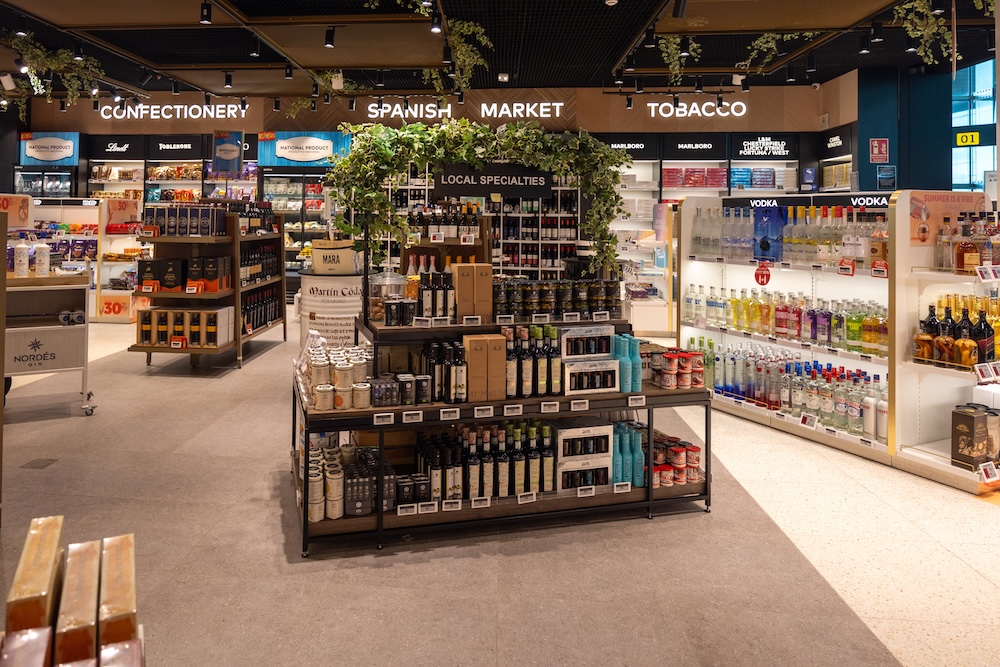
But discovery only works when products are visible and easy to read fast. Travelers aren’t browsing leisurely. They’re scanning. If your product’s story doesn’t land in about three seconds, you’ve lost them. Great packaging earns its place on the shelf only when the offer is obvious at a glance. Design, placement and clear messaging all have to work together.
Distribution matters, too. Johnnie Walker Black Ruby and Hendrick’s Sunspell didn’t just show up in airports; they secured real, meaningful shelf space within their categories. That’s what helped travelers notice and act. A great travel-exclusive gin or chocolate buried behind core SKUs doesn’t stand a chance with a time-pressed shopper. Fewer listings done well will always beat lots of listings done poorly.

Why a Listing Alone Won’t Drive Growth
Getting a product on the shelf isn’t the same as making it sell. Too many launches are treated as wins the moment a SKU hits the floor, and then reality hits: products squeezed into crowded bays, weak signage and nothing to tell the story. The distribution report looks fine on paper, but the product doesn’t have room to breathe.
The fix starts before you place the order. Brands need to nail down a concrete plan upfront covering facings, exact placement and in-store communications. Retailers should push back on supplier quotas that protect weaker products and ask what’s actually adding value for shoppers.
Don’t mistake sales for real growth. If a new product is just pulling buyers away from your own existing products, that’s not a win; that’s a reshuffle. The real question is: did it bring in new buyers, trade existing ones up or lift overall basket value? You can’t answer that by celebrating sell-through alone. You need to track how SKUs interact and what’s actually happening across the category.
And don’t let the one-in, one-out rule protect the wrong products. It often shields underperformers while blocking stronger innovation. The better test is simple: does this product bring real value to the aisle and attract new spend? If yes, it earns space. If not, it shouldn’t.
How to Actually Execute a TREX Launch
Good execution is what separates a fair test from a failed one. Start by identifying a real shopper need. Make the offer easy to read from a distance. Get distribution in the right places, tied to where your shoppers actually travel, and make sure you’ve got enough shelf space for the story to land. Price it clearly, and back it up with short, sharp in-store messaging that answers three things: what’s exclusive about it, why it’s better and how it fits the trip.
Then track everything from day one. There are tools now that can monitor distribution, facings, price and promotions across airports, so you can catch and fix gaps in the first few critical weeks. Lock in measurable standards at the point of listing and keep checking them. Compliance isn’t just paperwork; it’s what protects your launch. Windows are short, and slow execution can kill an opportunity before it’s even had a fair shot.
Retail media and pre-trip planning can give you a boost, but only if the shelf holds up its end. Many TREX shoppers do their research before they fly, then look for confirmation when they’re in the store. If the product isn’t where they expect it, or the offer isn’t clear, they won’t dig around for it. Consistent execution across locations is what turns intent into an actual purchase.
The path forward isn’t complicated; it just takes discipline. Getting listed starts the race. Distribution puts you on the track. Visibility and clarity help you win. Get the shelf right, and the sales will follow.
(Note: AI assisted in summarizing the key points for this story.)