 (833) 859-6126

Key Takeaways:
- Temple, TX installed an interactive visitor kiosk inside a Buc-ee’s travel center to convert pass-through traffic into local tourism spending, funded by the city’s Hotel Occupancy Tax Fund.
- The Buc-ee’s location draws an estimated 7.5 million visits per year, making it a high-impact site for digital wayfinding and in-destination visitor engagement.
- The touchscreen kiosk connects travelers to local attractions, dining, lodging and events, enabling fast decisions within a 21-minute average dwell time.
- The Temple visitor kiosk model illustrates a broader shift in travel center marketing: replacing pre-trip promotion with real-time, on-site tools that reduce friction and drive local spending.
The Visitor Kiosk at Buc-ee’s
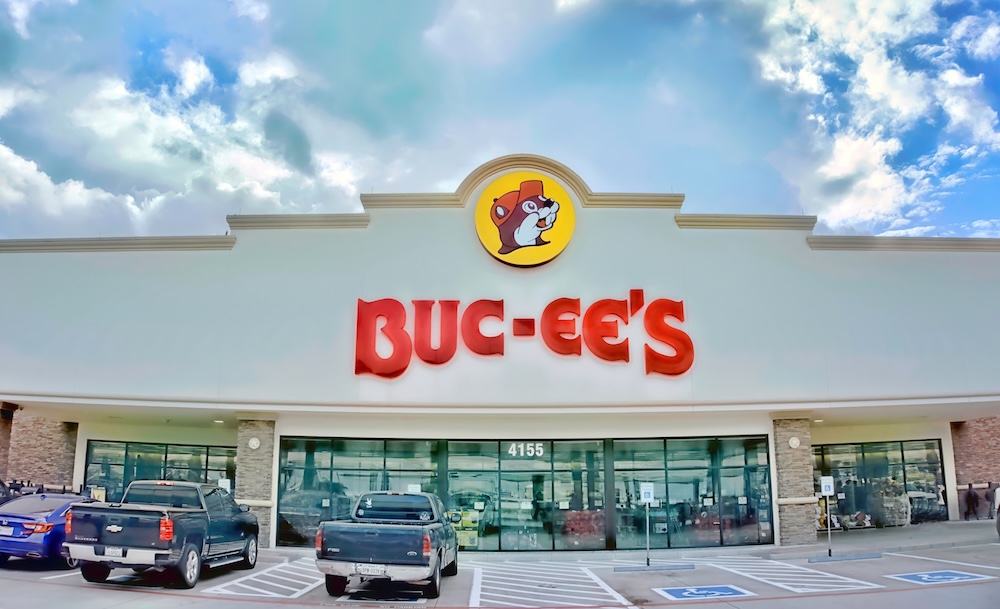
Discover Temple installed an interactive visitor kiosk inside the Buc-ee’s travel center at 4155 N. General Bruce Drive in Temple, TX, to convert quick fuel and snack stops into local spending. The touchscreen sits near the main entrance and connects visitors to attractions, dining, shopping, events and lodging through rotating digital content linked directly to the Discover Temple website. The project cost $10,730 and was funded by the city’s Hotel Occupancy Tax Fund.
The kiosk lets travelers browse museums, parks and trails, pick restaurants and breweries, scan upcoming events, and pull up hours and addresses in one tap. It’s built for quick decisions: a 45-minute detour to a kid-friendly exhibit, a nearby trail before getting back on the highway, or lodging if plans change.
Why Put a Visitor Kiosk Inside a Travel Center?
High foot traffic makes Buc-ee’s the right location. Placer.ai data cited by the city estimates roughly 7.5 million visits over the past 12 months, with an average stay of 21 minutes. That window, plus a touchscreen near the entrance, gives visitors enough time to notice a useful prompt and act on it.

The Hotel Occupancy Tax Fund supports visitor-related efforts, so using it for an on-site touchpoint directly corresponds to the goal of increasing local stays and spending. If the kiosk nudges even a small share of motorists to add a meal, a ticketed activity or a hotel night, the return can outweigh the $10,730 cost. The self-service format keeps operating costs low — no on-site staffing required.
What Can Other Destinations and Travel Retailers Learn From This?
This approach demonstrates a broader shift from pre-trip promotion to in-destination engagement. Travelers plan less and decide more on the fly, often within a short radius of where they’re standing. High-traffic retail hubs are becoming de facto visitor centers, and digital wayfinding is replacing paper racks.
A few principles that travel well:
- Prioritize placement. Put discovery tools where focus is already high: at entrances, in coffee lines and along exit paths. Keep screens at eye level with simple prompts.
- Keep content skim-friendly. Use large tap targets, short labels and rotating modules tied to common needs like food, family activities or outdoor breaks.
- Surface nearby options. Show choices within a 10-to-15-minute drive, include parking notes, flag fast-service spots and indicate whether reservations help.
- Measure intent, not just impressions. Track taps to restaurants, parks and events. Pair that data with merchant feedback to judge whether content drives real visits.
- Refresh on a predictable cadence. Dial content to the season, weather and daypart — indoor exhibits during summer heat, family dining on weekends, trails in the morning.
- Build partnerships around conversions. Offer co-op placements to local merchants, rotate features to spread exposure and include limited-time offers redeemable by scanning a code.
The format can change. A touchscreen by the coffee bar, a QR-powered display at checkout or a compact screen in a partner hotel lobby all follow the same principle: meet visitors where they are, help them decide fast, and remove the final friction between interest and action.
(Note: AI assisted in summarizing the key points for this story.)