 (833) 859-6126

Key Takeaways:
- Experience-driven retail blends entertainment and shopping to boost foot traffic, dwell time and purchase intent for gift shop retailers.
- Theme parks, immersive venues, food halls and mixed-use destinations create consistent visitor demand that benefits on-site and nearby gift shops.
- Gift shops in tourist corridors and attraction-adjacent locations gain the most, as experiential anchors turn passive visitors into active buyers.
- The opportunity isn’t building the attraction. It’s positioning within or alongside destinations that already draw crowds and delivering a shop worth stopping in.
Retail Meets Experience: A New Kind of Destination
Today’s shoppers want more than a transaction. They want a reason to show up, stay longer and come back. Across the country, retail and entertainment are merging into full destinations that pull people in and give them stories to tell. For gift shop retailers, that shift is worth paying attention to. The formula combines anchor attractions that justify the trip, inviting design that sets a mood and hospitality that encourages people to linger, browse and buy.
After years of e-commerce growth and pandemic-era habits, developers stopped treating entertainment as an add-on and made it the lead. The logic is clear: the internet can’t replicate a water slide, a high-ropes course or a rooftop meal with skyline views. These experiences are tactile, social and shareable, giving families, friend groups and tourists a clear answer to the weekend question of where to go. Gift shops that sit within, or near, these kinds of destinations benefit directly from that foot traffic.
What Does a Successful Entertainment-Retail Destination Look Like?
The best examples share a common structure: a bold anchor, thoughtful design and programming that rewards repeat visits. Grandscape in The Colony, Texas, puts Nebraska Furniture Mart at the center, then stacks a concert amphitheater, TopGolf, professional chef-driven restaurants and a cinema around it. Visitors come for an evening out, and retail fills the gaps between the things they actually planned.

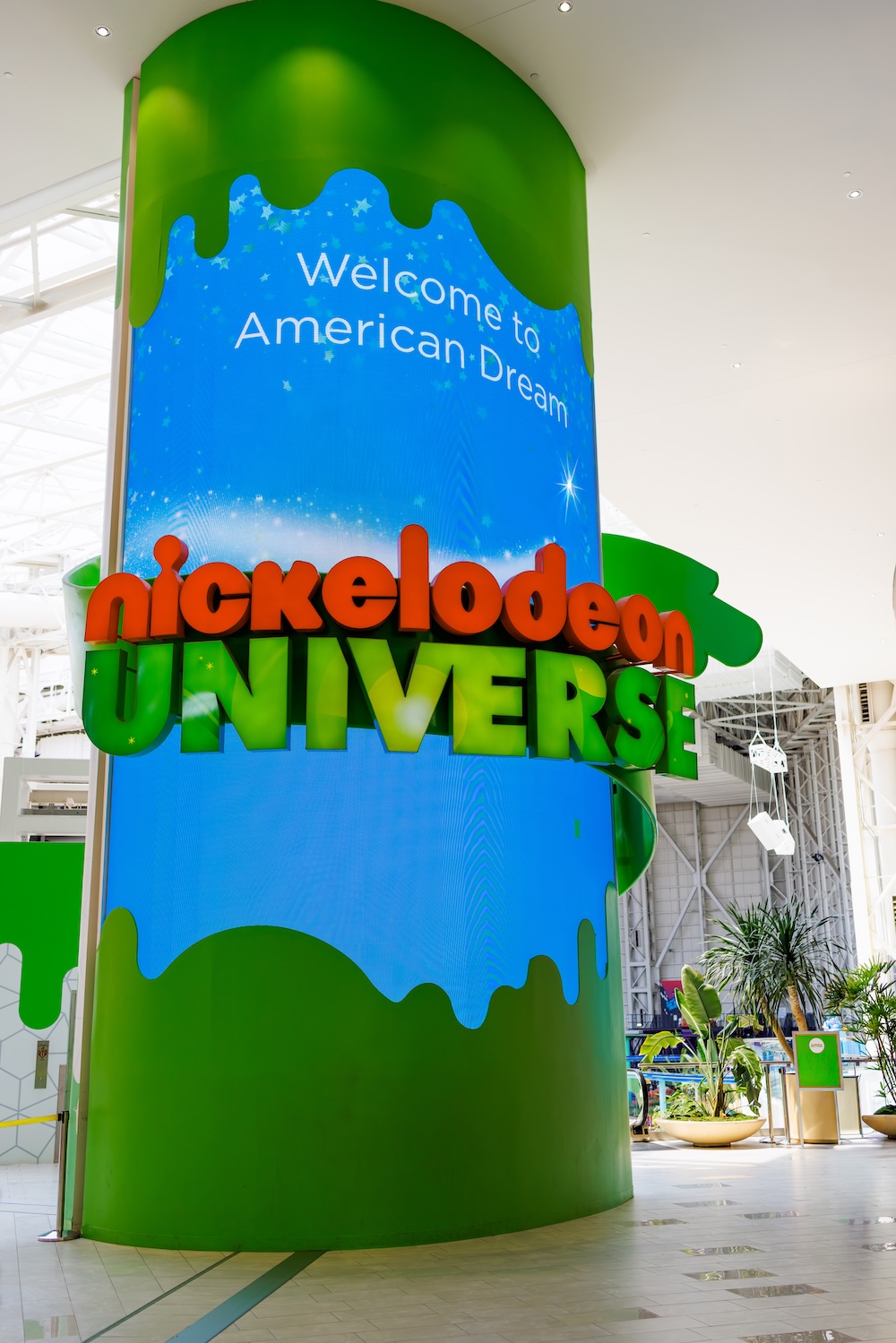
American Dream Mall in East Rutherford, New Jersey, bets on spectacle with an indoor ski slope, a water park, an ice rink and an indoor theme park alongside hundreds of retail tenants. Shopping is almost secondary to the draw. Ponce City Market in Atlanta takes a quieter approach, converting a historic Sears building into a neighborhood hub where a rooftop amusement park and food hall bring visitors in, who then drift through boutique shops on the way down. That drift is where gift shops thrive.
Hospitality has become a core part of the model, too. Meow Wolf’s Convergence Station in Denver wraps a multi-story immersive art experience around a gift shop and café that feel like natural extensions of the visit. Dollywood in Pigeon Forge, Tennessee, weaves live music, craft demonstrations and Southern food traditions into a theme park that keeps locals and tourists returning season after season, and its gift shops are a consistent part of that draw. Easton Town Center in Columbus, Ohio, builds its appeal around a walkable street grid of restaurants, live music and independent retailers that make every visit feel a little different.
Why Does This Trend Matter for Gift Shop Retailers?
This blend of retail and entertainment creates real opportunity for gift shops. It helps fill the void left by department store closures, gives tourism boards new hooks to market, and drives consistent foot traffic, especially in destination towns and tourist corridors. Ballpark Village in St. Louis links Cardinals game days to a permanent entertainment district with live music, restaurants and a rooftop deck, stretching revenue well past the final inning. Pike Place Market in Seattle goes further still, mixing working fishmongers, local artisans, chef-driven restaurants and street performers into a sensory loop that draws both residents and tourists back again and again. Its shops thrive because the destination does.
For gift shop retailers, the lesson is this: the more a location feels like an experience, the longer people stay, and the more likely they are to browse and buy something to remember it by. You don’t have to build the attraction yourself. Positioning your shop within or alongside a destination that people already want to visit puts you exactly where the foot traffic is, which is why understanding this trend matters whether you’re in Pigeon Forge, on a busy boardwalk or in a mountain town with a loyal tourist base.
(Note: AI assisted in summarizing the key points for this story.)