 (833) 859-6126


Key Takeaways:
- Destination gift shop bestsellers are place-based products tied to local artists, landmarks and provenance, not generic impulse items.
- Travelers buy souvenir gifts that tell a story; provenance and craftsmanship turn purchases into keepsakes that drive word-of-mouth and repeat visits.
- Destination retailers boost assortment performance by sourcing locally made, Made in America and artisan goods connected to the sites visitors came to see.
- Shelf-level storytelling, price laddering and narrative merchandising, not category groupings, convert browsers into buyers in destination retail settings.
Souvenirs With a Story: What Destination Retailers Can Learn From the National Trust Gift Guide
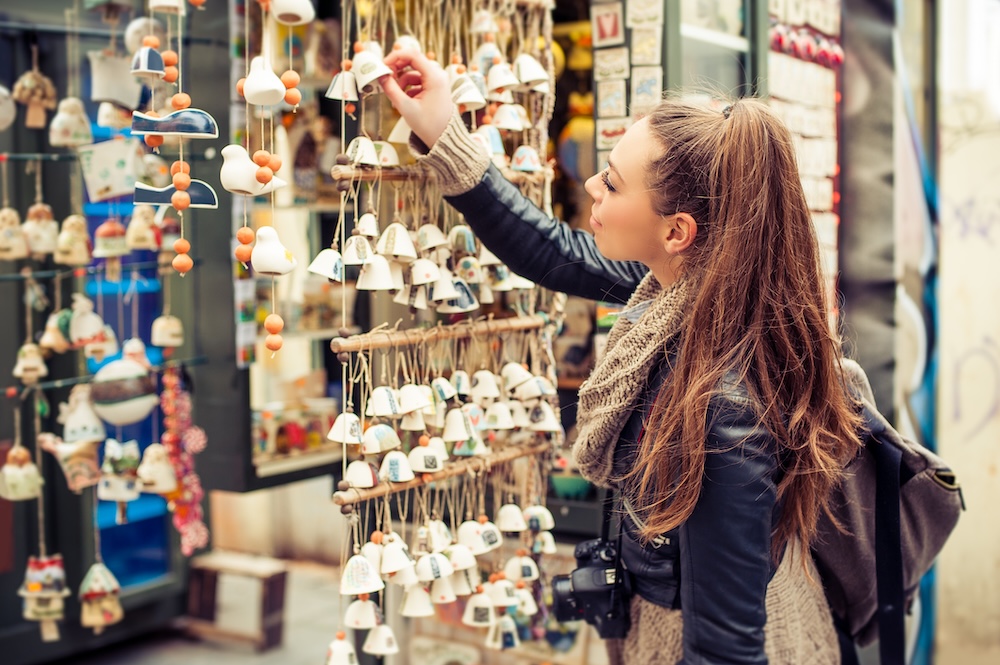
The best-selling products in a destination gift shop aren’t the cheapest ones closest to the register. They’re the ones tied to a specific place, person or story. The National Trust gift guide is a useful reference point here: it shows what happens when every product in an assortment earns its place through provenance, craftsmanship and a clear connection to the sites and communities visitors came to see. Retailers who build that same logic into their buying give shoppers a reason to reach for one product over another — and a reason to come back.
That starts with knowing your place and your vendors. Stock goods connected to the sites, artists and communities your visitors already came to see: handmade balms, original art, architectural pop-up cards, wooden puzzles and desk accessories that reflect where your guests actually are. A reproduction print from a local artist, a paper-art card of a nearby landmark or a small object tied to the history of your site all do the same thing: they put craftsmanship and place side by side, turning a purchase into a keepsake. The National Trust gift guide is a useful example of this in practice — it shows what an assortment looks like when every product earns its place through provenance and a clear connection to the sites visitors came to see. That standard doesn’t require a heritage institution behind it. It requires strong vendor relationships and a commitment to carrying goods that mean something to the people who walk through your door.
When building out your holiday assortment, prioritize vendors who can tell you exactly where something was made and who made it — the same standard that makes a guide like the National Trust’s worth returning to year after year. Handmade chocolate, original art, self-care kits and clothing from small businesses rooted in your region all carry that local character, and that’s what gives shoppers a reason to choose them over something they could find anywhere else.
Why Do Travelers Value Place-Based Gifts?
A product tied to a building, artist or community gives the giver a story to tell. That story travels home with the gift, turning a mug, bracelet or book into a memory that gets shared over dinner or written into a thank-you note. For retailers, that narrative is the difference between an impulse buy and a keepsake that earns word-of-mouth and return visits.
If a site’s history includes difficult topics, acknowledge it plainly. Language like “Your purchase supports research and interpretation at sites that include places once connected to enslavement” sets an honest, respectful tone. Offer a QR code or printed handout for guests who want to learn more, and give staff a clear path for questions better answered by published site resources.
How Can Destination Retailers Merchandise These Products to Sell?
Simple, visible storytelling at the shelf does the work. A short line like “Inspired by the ceiling in Drayton Hall’s Great Hall” or “Artwork reproduced from Olive Rush’s original blocks” gives shoppers a reason to care in under five seconds. Add a small photo of the place or the artist’s studio and a QR code linking to the site page for curious guests. Keep copy tight: lead with the site or artist name, follow with the connection and close with a single benefit. For example: “Edith Farnsworth House pop-up card, designed by paper artist Peter Dahmen, doubles as a minimalist desk display.”
Merchandise by place or narrative thread rather than by category. Stage the pop-up card beside a small architecture book and a desk object, not buried in a greeting card rack. Bundle the locally made balm with a tea towel and a maker sign. Build a price ladder from an entry card or small balm, to a mid-tier book or tee, to a hero piece of jewelry or a puzzle that anchors the display. Where true, note if a product is Made in America, locally sourced or supports preservation work since many travelers actively look for those signals. If your team shoots short-form video, a 20-second origin story per hero product, looped near the display, reinforces the place connection without requiring a staff conversation every time.
Before you place orders, confirm the place tie, request one-line copy and images, plan a price ladder and map a display that leads with the story. If a product supports a preservation effort or local program, get approved language you can print without change. If you’re attending IGES next fall, look for vendors who lead with place and can support your storytelling with artist bios, site tie-ins or namedrop options. For shoppers, a gift is more meaningful when it opens a door to a place and its history. For retailers, that same door leads to stronger assortments and guests who leave with a story they can’t wait to tell.
(Note: AI assisted in summarizing the key points for this story.)