 (833) 859-6126


Key Takeaways:
- PDX’s landside retail generates $127M annually through locally curated, pre-security shops open to all visitors.
- The pre-security format succeeds with local SKUs, seasonal assortments, and a three-tier price mix from under $15 to premium.
- Retailers can replicate it by leading with city-specific products, designing for quick decisions, and optimizing for local travel retail search.
- PDX’s Pop-Up Program offers short-term landside residencies, a low-risk model other transit hubs can adapt.
Portland International Airport’s Landside Retail Model
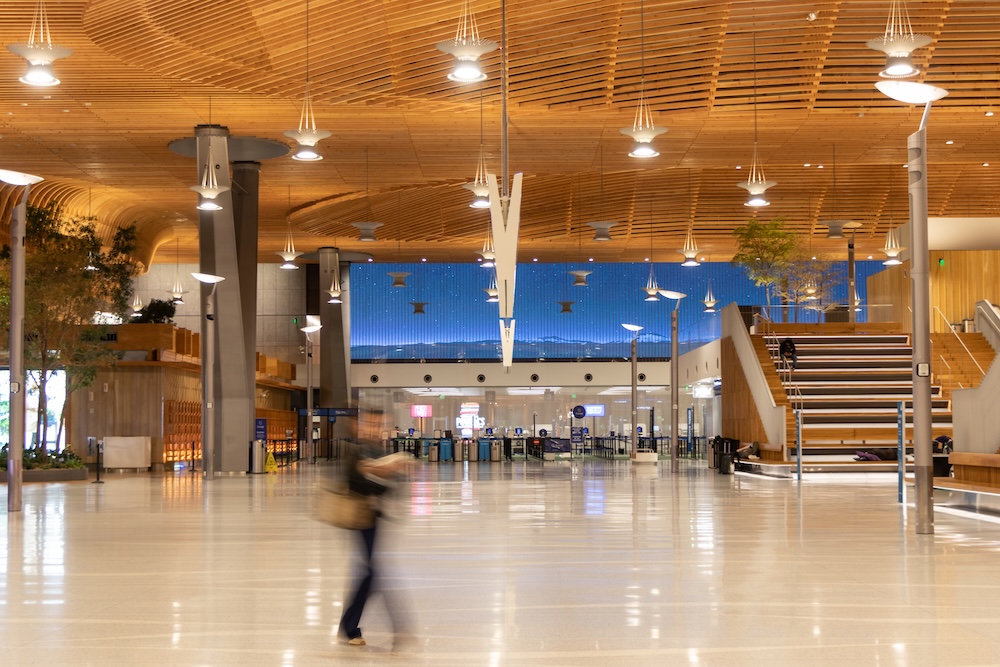
Portland International Airport has built a pre-security retail corridor that turns a routine airport stop into a deliberate destination. The anchor is Aurora, a speakeasy inside Loyal Legion near the check-in area, where rotating seasonal cocktails make waiting feel like an occasion. Neighboring shops, Ecovibe, Hello From Portland and Piph Paper Epiphanies, stock local goods that travel well: PDX carpet trays, plant-friendly homewares, LePens and graphic novels. None of it requires a hard sell. Each item signals place, taste and practicality.
The model works because it converts dead time into browsing time. The Port of Portland estimates travelers spend roughly $127 million a year at airport concessions. By placing high-appeal stops in the landside zone and giving them a clear local identity, PDX draws in non-ticketed visitors too. A neighbor dropping off a friend can stop for a drink. A traveler who arrives early can find a gift that looks like Portland, not a generic trinket.
What Makes the Pre-Security Format Work?
Landside access expands the customer base beyond ticketed travelers, and dwell time design converts that larger audience into buyers. Aurora’s rotating menu keeps locals returning, while the shops echo that rhythm with seasonal color stories and small-run products. Retailers using this model should plan one seasonal anchor per quarter, one micro-drop per month and a weekly refresh of a small featured item. Vendors can support the cadence with pre-kitted assortments, short lead times and display guides that make swaps fast for lean teams.
Store layout should reward quick decisions. Face the most giftable items toward the door. Use a single-path loop that returns shoppers to a featured table. Group products by need state rather than brand. A “host gift in five minutes” table moves faster than a brand wall in a transit setting. Price tags should be easy to read at a glance.
The product mix should cover three lanes: basic needs, small joy and local pride. Each lane should carry an entry price under $15, a core range of $15 to $35, and a premium tier calibrated to what the location can support. Useful, packable and easy to gift is the baseline. If an item fits in a carry-on and sparks a conversation when it arrives home, it belongs in the assortment.
How Can Other Retailers and Vendors Apply This Strategy?
Retailers outside PDX can replicate the core model by leading with a sense of place and designing for dwell time. Start by auditing the current mix and identifying which SKUs could only exist in that specific city. That answer should guide the top 20 percent of the assortment, the visual presentation and the packaging choices. A locally patterned tray, a neighborhood-branded candle or a seasonal maker collaboration can anchor the story without requiring a large footprint.
Operations determine whether the concept holds. Set hours to match the first and last flight banks of the location, not mall norms. Train staff to answer two questions without hesitation: where is my gate, and what is a fast, packable gift under $25. A simple script, greet with a specific hook, point to a hero display, offer a quick checkout, builds trust in transit situations where speed matters.
Marketing should work both landside and digitally. Place wayfinding near drop-off zones and parking pay stations. Pursue placement in terminal maps and push notifications. For search visibility, use plain language on product pages. Phrases such as “Portland airport gift shops,” “pre-security shopping” and “local gifts at the airport” should appear in natural sentences. Build short question-and-answer blocks on the store page, and keep answers to no more than two sentences.
Pop-ups offer a lower-risk entry point. PDX runs a Pop-Up Program that places local brands in one-year landside residencies before security. Other airports and transit hubs can adapt the format by offering short terms, infrastructure support and vendor coaching. Scarcity drives repeat visits; short runs limit exposure.
Vendors targeting travel retail should lead with a city story, a small footprint and a fast-turn bundle. Offer a display that sets up in five minutes. Propose two seasonal swaps and one evergreen base. Set pricing to allow a keystone margin on entry items and a strong blended margin overall. Include a one-page sell sheet with photos, dimensions, a pack list and a 30-day reorder window. “Fits a carry-on,” “under five minutes to gift,” and “made by a local maker” communicate more than most category jargon.
Measure dwell time, conversion rate, average order value and repeat visits to assess whether the mix is performing. In landside zones, also track non-ticketed visits separately. A countertop QR code linked to a short survey provides low-friction feedback. A two-week A/B test on a hero table, comparing seasonal color against local iconography, will show what moves. Share findings with vendors and ask them to bring two tests per quarter. Reward what performs with reorders and added visibility.
The Portland model isn’t complicated. It works because it respects the traveler’s time, reflects the city’s identity and gives vendors a repeatable framework to perform within. Retailers and vendors that apply the same discipline — local story, tight operations, data-informed iteration — can build a landside presence that earns return visits long after the flight lands.
(Note: AI assisted in summarizing the key points for this story.)