 (833) 859-6126


Key Takeaways:
- 2028 Olympics travel retail: local destination retailers face weeks of sustained demand, not a single spike.
- Stock items that travel well, namedrop city-branded pieces, and secure fast reorder paths before the Games begin.
- Flex staffing around event schedules and venue proximity to capture Olympic foot traffic at peak moments.
- Convert first-time Olympic shoppers into long-term customers with digital receipts, follow-up offers, and post-visit outreach.
The 2028 Olympics Represent a Real, Local Opportunity for Travel Retailers
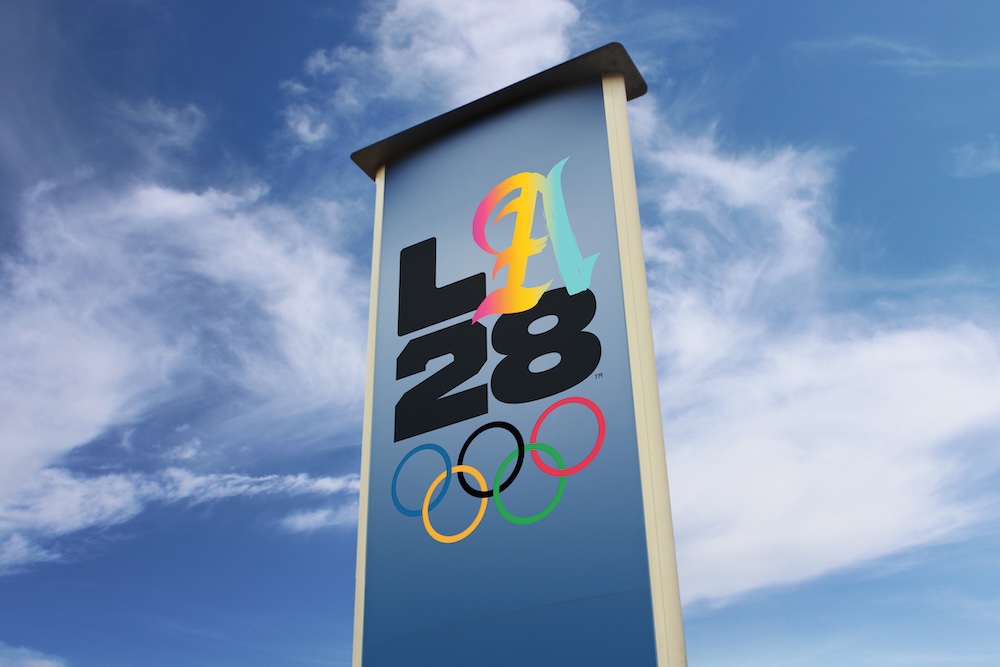
Retailers in travel and destination markets have a clear runway to prepare for the 2028 Olympics in Los Angeles and other host cities. Demand signals are already building. Search volume for Olympic tourism, souvenir shops and visitor spending will climb as the Games approach, and so will foot traffic. The Los Angeles Times has reported projections ranging from tens of billions in economic output to hundreds of thousands of jobs across Southern California. BizTech cites roughly five million visitors and a multibillion-dollar impact in the LA area alone. New York City’s 2026 World Cup offers a comparable signal: city officials reported approximately $2 billion in local economic impact. S&P Global Market Intelligence notes that national gains often look modest, but local effects are real. For travel and destination retailers, the goal is clear: prepare for weeks of regular demand, not a single spike, and build a plan that converts first-time Olympic shoppers into long-term customers.
How Should You Staff, Stock and Operate During the Games?
The biggest operational shift is the rhythm of demand. Unlike Black Friday, which hits hard over a single weekend, the Olympics unfold across several weeks. Arrivals concentrate around venues, fan zones and transit hubs, then ripple into neighborhoods as visitors eat, explore and shop. A quiet block can become a high-value corner when it sits between a train stop and a beach volleyball venue.
Staffing: Build schedules that flex by day of week and event time. Use short, focused shifts that start an hour before nearby sessions end. Keep a small bench of trained on-call workers who can fill gaps with four hours’ notice.
Inventory: Forecasts will be wrong at least once, so emphasize speed over precision. Run a daily sell-through review on fast movers and move stock to the floor before doors open. Secure a rapid reorder path now for any item that could become the unofficial souvenir of the week. Prioritize items that travel well: pins, patches, enamel mugs, compact tees, postcards, locally made snacks and collapsible totes. Build a tight line of namedrop or city-branded pieces tied to landmarks and neighborhoods. Add two or three premium keepsakes under $75, such as limited artist collabs or numbered prints, to lift basket size without creating shipping complications.
Technology: Treat network readiness like an extended holiday. Test every payment point over primary and backup connections. Keep a mobile checkout device ready to roam the line. If local Wi-Fi is unreliable, post distinct signage at the door. Visitors won’t remember a technical explanation for a failed transaction. They’ll remember a stalled line and a missed purchase.
How Do You Turn Olympic Foot Traffic Into Sustained Customer Relationships?
The most valuable sale may be the second one, placed from home weeks after visitors leave. Start building that relationship at the register. Ask to send a digital receipt, then secure permission for one follow-up email with a first-time customer code. Invite them to a locally inspired drop you’ll ship nationwide. Share a brief story about a maker they discovered in your store.
Merchandising by week: Visitor needs shift across the event window. In week one, shoppers want orientation, sun gear and obvious keepsakes. In week two, they look for items they haven’t seen everywhere else. In later weeks, they chase last-minute gifts that fit in carry-ons. Plan micro-merchandising to match: a Welcome to LA table early, a Hidden Gems table mid-Games and a Gifts That Travel table to close. Refresh your windows two or three times so passersby see something new.
Service and wayfinding: Keep the entry clear and put high-demand souvenirs within 10 steps of the door. Add multilingual signs for New Arrivals, Local Bestsellers and Register if your audience includes international travelers. Train staff on the three questions they’ll hear all day: Where is the nearest station? Where can I eat nearby? What should I do with only an hour? Have concise answers ready.
Local partnerships: Drop rack cards with a same-day discount code at hotels and short-term rentals in your radius. Time a street team to greet fans as they exit nearby venues. These low-cost co-ops keep your name in circulation when attention is at a premium.
Marketing: Update your Google Business Profile with extended hours, fresh photos of bestsellers and event-period FAQs. Post a daily story on social channels showing what’s new or restocked. Keep copy short, local and useful. Lean on proximity, signage and partnerships before paid media, since placement costs rise and attention fragments during citywide events.
The 2028 Games are a fixed date on the calendar. Retailers who prepare early, stock smart and follow up well won’t just have a strong few weeks. They’ll leave with a customer base that extends well beyond Los Angeles and long after the closing ceremony.
(Note: AI assisted in summarizing the key points for this story.)